
Rehab for Drug Addiction in Kolkata | Structured Recovery Case Study

Drug addiction is a complex medical and psychological condition that requires structured intervention, clinical supervision, and long-term support. This case study highlights how a professionally designed rehab for drug addiction programme helped an individual move from dependency to stability through disciplined care, healthy living, and personalised rehabilitation.
This recovery journey was supported by Ascend Rehabilitation Centre, a premium rehabilitation centre in Kolkata known for its ethical treatment approach and recovery-focused environment.
Background of the Case
The patient, a male in his early thirties, had been struggling with long-term drug dependency that affected his physical health, emotional balance, and family relationships. Previous attempts at self-managed recovery and short-term interventions had failed, primarily due to a lack of medical supervision and structured therapy.
The family sought professional rehab for drug addiction in Kolkata with a focus on safety, confidentiality, and long-term recovery rather than temporary detox.

Initial Assessment and Admission
Upon admission at Ascend, a detailed assessment was conducted covering:
Medical History and Substance Usage Pattern
Psychological and Emotional Condition
Nutritional Deficiencies and Lifestyle Habits
Risk Factors Related to Relapse
This assessment formed the foundation for a personalised rehabilitation plan, ensuring the treatment addressed both physical dependency and behavioural triggers.
Treatment Approach Used in Rehab for Drug Recovery
Medically Supervised Detoxification
The first phase focused on safe detoxification under medical supervision. Withdrawal symptoms were carefully monitored to ensure stability, comfort, and safety throughout the process.
Structured Therapy and Counselling
Once physical stability was achieved, the patient underwent:
- Individual counselling sessions
- Behavioural therapy to address addiction patterns
- Emotional regulation and stress management techniques

Therapy focused on understanding triggers rather than suppressing symptoms.
Role of Environment and Nutrition in Recovery
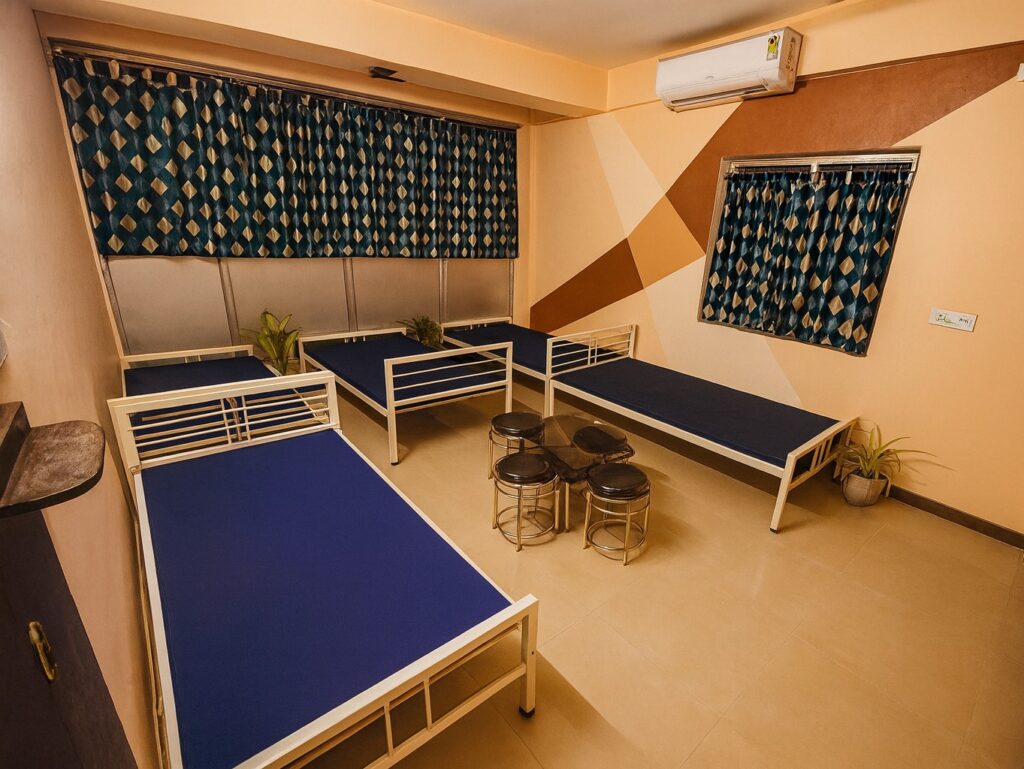
One of the defining factors in this rehab for drug case study was the environment provided during treatment.
Premium Living Environment
A calm, disciplined, and hygienic setting helped reduce anxiety and mental restlessness. The structured daily routine restored sleep cycles, emotional balance, and self-discipline.
Healthy and Balanced Nutrition
Ascend provided premium-quality, nutritious meals designed to repair physical damage caused by prolonged drug use. Proper nutrition significantly improved energy levels, focus, and overall recovery speed.
Progress and Behavioural Changes
By the end of the structured programme:
- Physical health indicators showed consistent improvement
- Emotional stability increased noticeably
- Cravings reduced through behavioural control techniques
- Communication with family members improved
The patient developed coping mechanisms to manage stress without dependency, which is a critical success factor in drug rehabilitation.
Family Involvement and Support
Family counselling sessions were included to:
- Educate family members about addiction recovery
- Address emotional gaps and trust issues
- Create a supportive post-rehab environment
This involvement strengthened recovery outcomes and reduced relapse risk after discharge.
Aftercare and Relapse Prevention
Rehabilitation does not end at discharge. A structured aftercare plan was created, including:
- Ongoing counselling guidance
- Lifestyle discipline strategies
- Relapse prevention planning
- Periodic follow-ups
This ensured continuity of care beyond the rehabilitation centre.
Outcome of the Rehab for Drug Case Study
At the completion of the programme:
- The patient achieved stable recovery
- Physical and mental health showed measurable improvement
- Family reintegration was successful
- The risk of relapse was significantly reduced through structured aftercare
This case reinforces that rehab for drug addiction is most effective when medical care, therapy, nutrition, and environment work together.
Key Learnings from This Case Study
- Drug addiction requires structured, professional rehabilitation
- Detox alone is not enough for long-term recovery
- Environment and nutrition directly impact recovery speed
- Personalised treatment plans deliver better outcomes
- Aftercare is essential for sustained sobriety
Conclusion
This case study demonstrates that recovery from drug addiction is achievable with the right guidance, discipline, and support system. A professionally managed rehab for drug addiction in Kolkata, such as Ascend Rehabilitation Centre, provides the structure and care needed for meaningful and lasting recovery.
Rehabilitation is not about control—it is about rebuilding health, confidence, and direction.