


Rehab for Alcohol: A Case Study on Structured Recovery in Kolkata
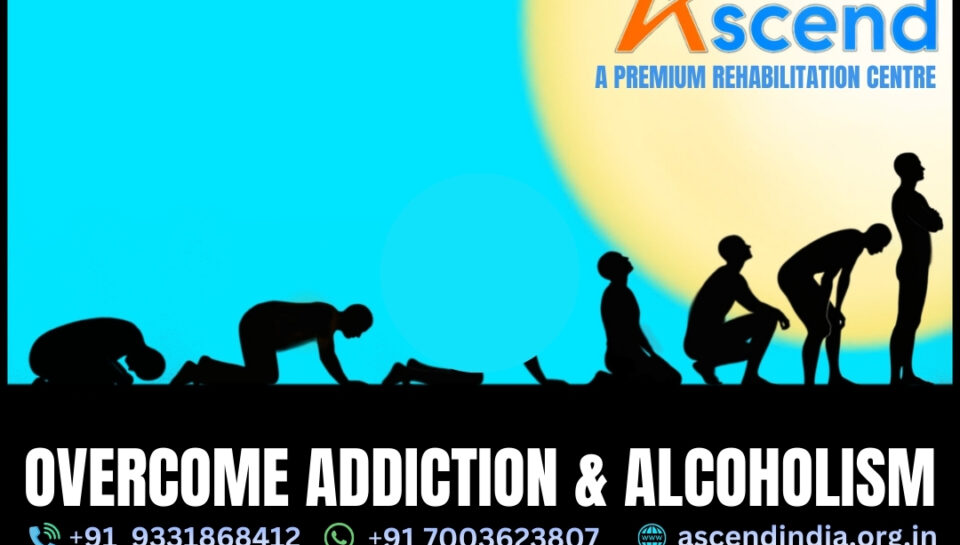
Rehab for Alcohol: A Case Study on Structured Recovery in Kolkata
Alcohol dependency often develops gradually, but its impact on health, family, and professional life can be severe. This case study explains how a structured rehab for alcohol addiction programme helped an individual achieve stability, regain health, and rebuild personal responsibility through professional rehabilitation care.
The recovery journey was supported by Ascend Rehabilitation Centre, a premium rehabilitation centre in Kolkata known for its disciplined environment, ethical treatment approach, and focus on long-term recovery.
Case Background
The patient, a male in his early forties, had been struggling with chronic alcohol dependency for over a decade. His condition had begun to affect liver health, emotional control, work consistency, and family relationships. Repeated attempts to quit independently resulted in relapse due to withdrawal symptoms, stress, and lack of structured support.
The family decided to seek professional rehab for alcohol addiction in Kolkata, prioritising medical safety, privacy, and sustainable recovery.

Clinical Assessment and Admission
On admission, a detailed evaluation was conducted, covering:
Alcohol consumption history and dependency level
Physical health indicators and nutritional deficiencies
Psychological and emotional condition
Stress triggers and relapse patterns
Based on this assessment, a personalised alcohol rehabilitation plan was developed to address both physical dependency and behavioural causes.
Treatment Methodology Used in Rehab for Alcohol Recovery
Medically Supervised Alcohol Detox
The initial phase focused on controlled detoxification under medical supervision. Withdrawal symptoms such as anxiety, sleep disturbance, and physical discomfort were carefully managed to ensure patient safety and stability.
Behavioural Therapy and Counselling
After detox, therapy sessions addressed:
Psychological dependence on alcohol
Stress management and emotional regulation
Habit correction and lifestyle discipline
Motivation for long-term sobriety
Counselling focused on root causes rather than surface symptoms.

Role of Environment and Nutrition in Alcohol Recovery
Structured and Calm Living Environment
A peaceful, disciplined setting helped reduce anxiety and restore daily routines. Fixed schedules for sleep, meals, therapy, and rest helped stabilise mental health and rebuild self-control.
Premium Healthy Nutrition
Balanced, nutrient-rich meals were provided to support liver recovery, improve immunity, and restore physical strength weakened by prolonged alcohol use. Improved nutrition played a significant role in faster physical and mental recovery.
Progress During the Rehabilitation Programme
Over the course of treatment:
Physical energy levels improved steadily
Sleep cycles normalised
Emotional reactions became more controlled
Alcohol cravings reduced through behavioural techniques
Communication with family members improved
The patient developed practical coping mechanisms to handle stress without alcohol.
Family Counselling and Emotional Reintegration
Family counselling sessions helped:
Rebuild trust damaged by long-term alcohol dependency
Educate family members about relapse prevention
Create a supportive home environment after discharge
This involvement strengthened recovery outcomes and reduced post-treatment risks.
Aftercare and Relapse Prevention Planning

A structured aftercare plan was created, including:
Continued counselling guidance
Lifestyle and stress-management strategies
Early relapse warning awareness
Periodic follow-up support
Aftercare ensured continuity of recovery beyond the rehabilitation centre.
Outcome of the Rehab for Alcohol Case Study
At the end of the programme:
The patient achieved stable sobriety
Physical health markers showed improvement
Emotional balance and decision-making improved
Family reintegration was successful
Risk of relapse is reduced through structured aftercare
This case demonstrates that rehab for alcohol addiction is most effective when medical care, therapy, nutrition, and environment work together.
Key Insights from This Case Study
Alcohol addiction requires professional rehabilitation, not willpower alone
Medical detox is only the first step in recovery
Nutrition and environment significantly affect healing speed
Personalised treatment improves long-term outcomes
Aftercare is essential for sustained sobriety
Conclusion
This case study highlights that recovery from alcohol addiction is achievable with the right structure, discipline, and professional support. A well-managed rehab for alcohol addiction in Kolkata provides individuals with the tools needed to regain health, rebuild relationships, and lead a balanced life.
Rehabilitation is not an end—it is the beginning of a healthier, more responsible future.